
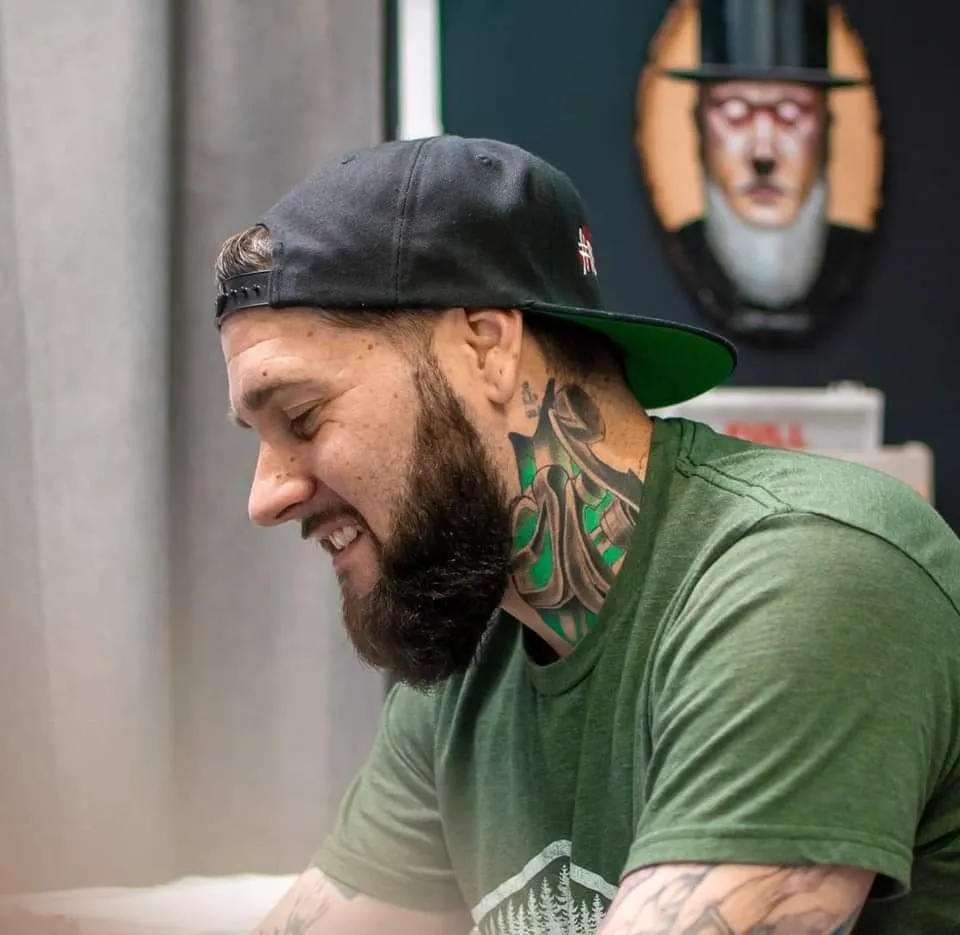
Getting a tattoo is a personal decision that combines creativity, individual meaning, and trust in the person creating the artwork. Some people arrive with a carefully planned design, while others only have a general idea of what they want. Whatever the starting point, choosing the right professional can make a significant difference in the finished result. Searching for tattoo artists near me is often the first step, but reviewing artistic styles, experience, and studio practices is equally important before making an appointment.
Understanding Your Personal Design Preferences
Before contacting an artist, consider what the artwork should represent. A meaningful design might celebrate a personal achievement, honor someone important, or simply reflect an appreciation for a particular artistic style. The next decision involves visual direction. Traditional designs often feature bold outlines and established color palettes, while fine-line artwork emphasizes delicate details. Realism, watercolor, geometric patterns, and illustrative designs offer additional possibilities.
Collecting a few reference images can help explain your preferences. However, reference material should guide the creative discussion rather than encourage copying another person’s existing artwork.
Matching Artistic Skills With Your Vision
Tattoo artists develop different strengths through training, experience, and personal interests. An artist who regularly creates realistic portraits may approach a project differently from someone specializing in traditional imagery. Reviewing portfolios helps identify these differences. Look for consistency in linework, smooth shading, balanced compositions, and examples of healed tattoos when available.
Consider whether the artist has experience with designs similar to your idea. Large compositions, detailed lettering, and intricate cover-ups each require specific planning and technical abilities. Finding someone whose work matches your preferred style often matters more than choosing the most convenient appointment time.
Important Questions Before Booking
A consultation provides an opportunity to discuss expectations and understand the artist’s approach. Preparing questions in advance can make the conversation more productive.
Consider asking about:
-
Design experience: Has the artist completed similar styles or placements?
-
Studio hygiene: How are equipment, workstations, and supplies handled?
-
Estimated sessions: Will the design require one appointment or several?
-
Placement recommendations: How might body movement affect the composition?
-
Aftercare instructions: What steps are recommended during healing?
These questions help establish realistic expectations and encourage clear communication before the appointment begins.
Finding a Studio That Feels Comfortable
The studio environment plays an important role in the overall experience. When comparing tattoo shops, visitors should pay attention to cleanliness, professionalism, and how comfortably they can communicate with the staff. A reputable studio should explain its hygiene practices and use appropriate sterile, single-use needles. Artists should also be willing to discuss design limitations and recommend adjustments when necessary.
The consultation should feel collaborative rather than rushed. Customers need enough information to make confident decisions, especially when planning larger or more detailed artwork. An organized studio with attentive professionals can make the experience more comfortable for someone receiving their first tattoo.
Considering Placement and Future Appearance
Placement influences how a design looks, feels, and changes over time. Areas that experience frequent friction or sun exposure may require additional consideration. Small lettering and intricate details can become less distinct as skin naturally changes. An experienced artist may recommend adjusting the design’s size or spacing to improve long-term readability.
Body movement also affects composition. Artwork placed around elbows, shoulders, or knees should account for how the skin stretches and bends. Thinking about these factors beforehand can help ensure that the design remains visually balanced as the years pass.
Preparing for Your Appointment Properly
Preparation begins before entering the studio. Getting sufficient rest, eating a balanced meal, and staying hydrated can help make the appointment more comfortable. Wear clothing that allows convenient access to the selected area without causing unnecessary discomfort. Avoid arriving under the influence of alcohol or recreational drugs.
If you have relevant health concerns, discuss them with the artist beforehand and seek medical advice when appropriate. Bring identification and confirm the studio’s appointment requirements. Larger projects may involve consultations, deposits, and scheduled sessions rather than immediate walk-in availability.
Following Aftercare Instructions Carefully
A finished tattoo requires appropriate healing care. The artist should provide instructions covering cleaning, moisturizing, protective coverings, and activities to avoid. Fresh tattoos should not be exposed to unnecessary friction, scratching, or prolonged soaking. Swimming and excessive sun exposure should generally be avoided during the initial healing period.
Healing varies depending on placement, skin characteristics, and the size of the artwork. Persistent worsening redness, spreading warmth, pus, or fever warrants prompt medical evaluation. Following professional aftercare instructions supports healing and helps preserve the appearance of the finished design.
Conclusion
Choosing a tattoo artist involves more than finding an attractive design or a convenient appointment. Artistic compatibility, communication, hygiene standards, and thoughtful planning all contribute to a satisfying experience. Taking time to review portfolios and understand the process helps people make informed decisions about permanent body art. For those exploring professional tattoo services around Chicago’s northwest suburbs, atmospheretattoo.com provides information about studio locations, available artists, and creative services.