
Lifting is one of the most common problems in gel manicure services. It may begin near the cuticle, along the sidewalls or at the free edge. Even when the colour looks attractive, lifting can quickly affect the appearance and durability of the manicure.
The solution is not always stronger bonding. Using too many adhesion products or applying them too heavily can make removal unnecessarily difficult. Effective adhesion control creates a secure coating while still allowing safe and manageable removal.
Understand the Main Causes of Lifting
Gel products usually lift when the nail plate is not prepared correctly or when the product is applied unevenly. Moisture, oil, dust and non-living tissue can interfere with the bond between the natural nail and the base layer.
Common causes include:
- Oil or moisture remaining on the nail plate
- Dust left behind after filing
- Gel touching the cuticle or surrounding skin
- Thick colour or base layers
- Incorrect lamp positioning or curing time
- Excessive buffing of the natural nail
- Repeated exposure to water or cleaning chemicals
Understanding where the lifting begins can help identify the likely cause. Lifting near the cuticle may point to incomplete preparation, while chipping at the free edge may be linked to impact or poor sealing.
Prepare the Nail Gently
Preparation should remove surface shine and unwanted tissue without thinning the natural nail. Aggressive filing does not automatically improve adhesion. In fact, over-buffing can leave the nail weak, sensitive and more likely to bend beneath the coating.
The technician should shape the free edge, clean around the cuticle area and remove dust completely. Once prepared, the nail should not be touched with bare fingers because natural oils may transfer back onto the surface.
The sidewalls also require attention, as invisible tissue or residue in these areas can lead to early lifting.
Use Ultrabond Kodi Carefully
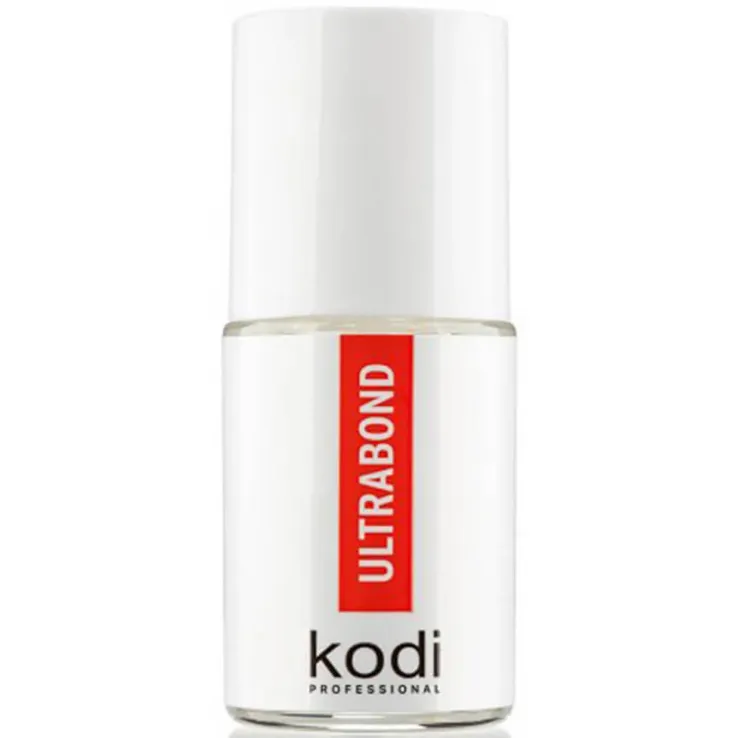
Ultrabond Kodi may help improve adhesion on nails that regularly experience lifting. However, it should be applied in a thin, controlled layer rather than used excessively.
Depending on the nail condition, the product may be used across the full nail plate or only on areas where lifting normally occurs. It should remain away from the skin and cuticle.
Using too much adhesion product can create an unnecessarily strong bond. This may slow down removal and encourage aggressive filing or scraping. The purpose is to support wear, not to make the gel impossible to remove.
Keep Gel Away From the Skin
A product that touches the skin may appear neat immediately after application, but it often lifts as the nail grows. Once the edge separates, water and debris may collect underneath the coating.
To avoid this problem:
- Leave a small margin around the cuticle
- Use a fine brush near the sidewalls
- Remove flooded gel before curing
- Check every angle before placing the hand in the lamp
Keeping uncured gel away from the skin is also important because repeated exposure may increase the risk of irritation or sensitivity.
Apply Kodi Gel Polish in Thin Layers
When using Kodi Gel Polish, each layer should be thin, smooth and evenly distributed. Thick layers may cure on the surface while remaining soft underneath, which can cause wrinkling, peeling or early separation.
The brush should carry only enough product to cover the nail. Dark and highly pigmented colours may need extra care because light must pass through each coat during curing.
Two thin layers usually perform more reliably than one heavy layer. The free edge should also be sealed lightly without creating a thick ridge.
Match the Method to the Natural Nail
Every client has a different nail condition. Flexible nails may need a base system that can move slightly with the natural plate, while rigid products may crack when the nail bends.
Oily nails may require more careful cleansing, but dry or brittle nails should not be exposed to unnecessary dehydration. The technician should review the client’s previous manicure and note where lifting or chipping occurred.
A customised approach is more effective than using the same preparation and adhesion process for every client.
Keep Removal Safe and Simple
Long-lasting wear should not come at the cost of difficult removal. Heavy primer use, thick base layers and excessive product buildup can make removal slower and increase the risk of nail damage.
The correct removal method depends on the product system. Some coatings are designed to soak off, while others should be reduced carefully with a file. Peeling, forcing or scraping gel away should always be avoided.
Conclusion
Adhesion control depends on clean preparation, thin application and the careful use of bonding products. Stronger adhesion is not always better, especially when it complicates removal or weakens the natural nail.
Professionals can explore gel colours, adhesion products and manicure essentials at kodiprofessional.com. The best results come from balancing dependable wear with safe removal, accurate curing and a method suited to the condition of each client’s nails.